|
|
|
|
||||||||||||||||
|
|
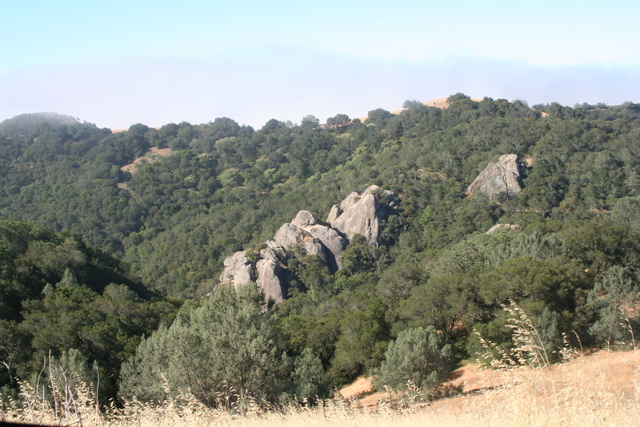
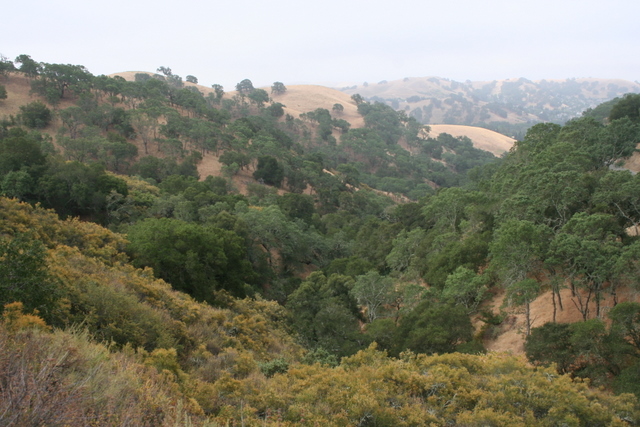
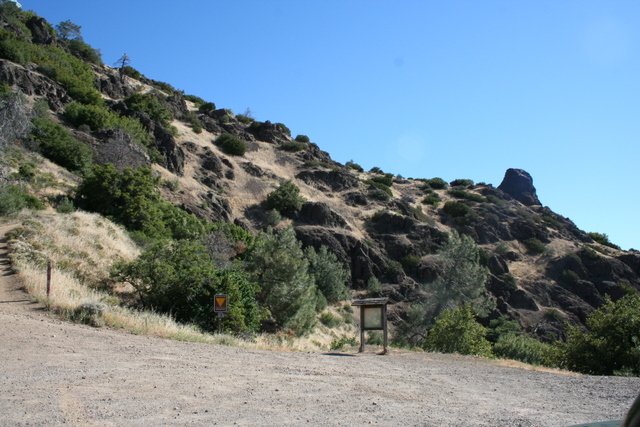
Mount Diablo State Park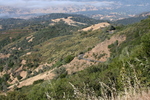 Mount Diablo Mixed Habitat 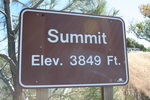 Mount Diablo Summit Fast FactsLocation: Danville, Walnut Creek, ClaytonHabitat: Chaparral, Oak, Grass Key Species: Alameda Whipsnake, Tarantula Mount Diablo State Park, northeast of Danville, is a spectacular location to visit and view the Bay Area's diverse wildlife. Encompassing several different habitats, and countless species of plants, mammals, birds, reptiles, insects, and more, Mount Diablo is one of the San Francisco Bay Area's foremost spectacles. The peaks of Mount Diablo, reaching 3,849 feet tall, are often visible to all parts of the Bay Area. Mount Diablo offers many opportunities to wildlife and nature enthusiasts. For a day trip, a paved and divided road winds its way along the edge of the mountain all the way up to the summit, making wildlife watching easy and accessible. Also, several picnic areas dot the mountain's surface. For an overnight trip, many campgrounds are available. Easy, paved, accessibility and strong cell phone service make Mount Diablo a perfect and comfortable area to see wildlife. The Mitchell Canyon area, which has separate road access from the North, is great for wildlife viewing. There are several trails to hike and in spring and summer you can see a good variety of reptiles, amphibians, butterflies and dragonflies. You can always find a nice variety of bird life. Wildlife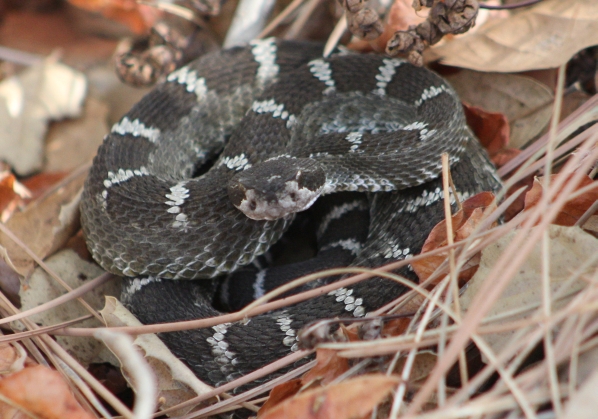 Western Rattlesnake - Crotalus oreganus
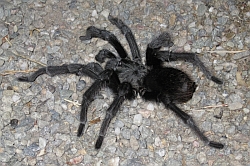 Tarantula - Aphonopelma sp.
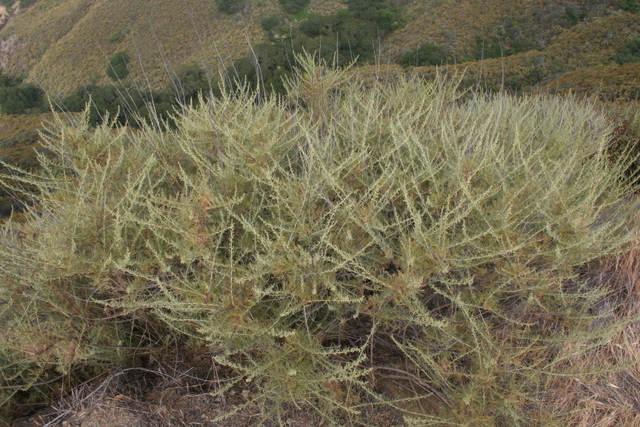
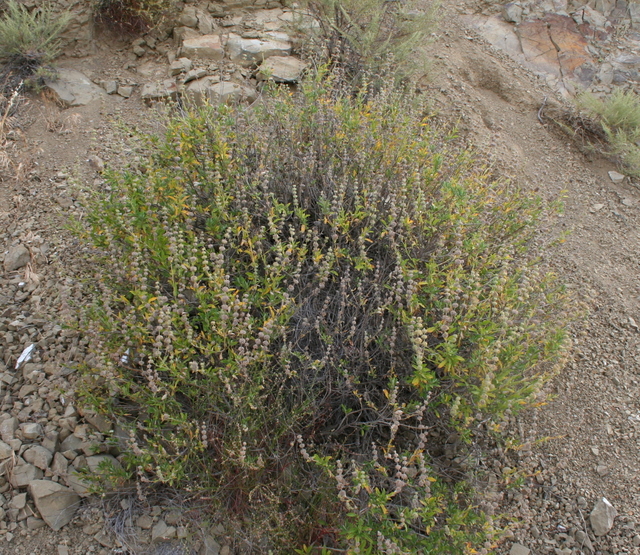
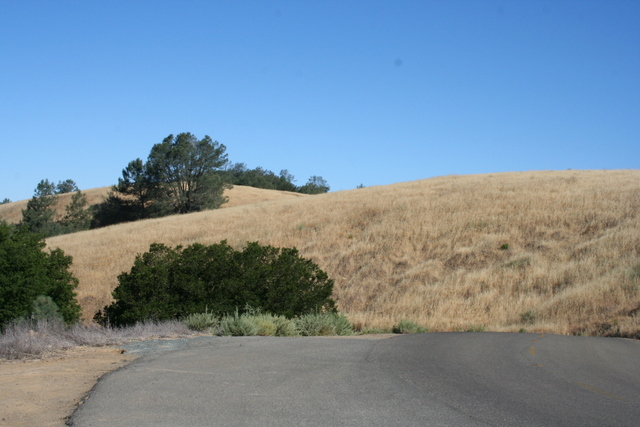
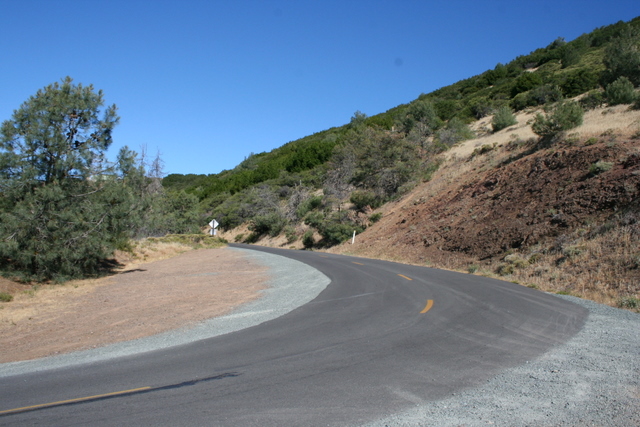
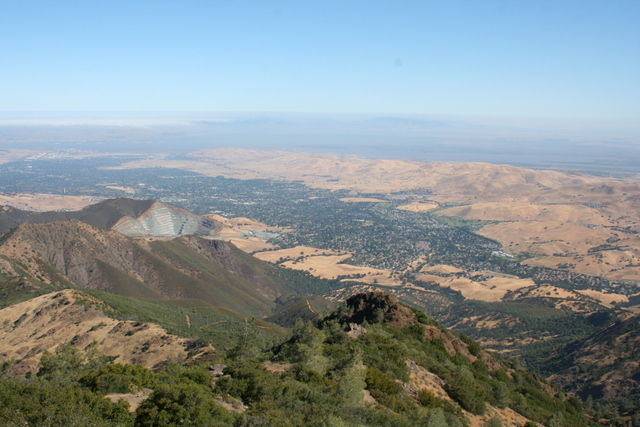
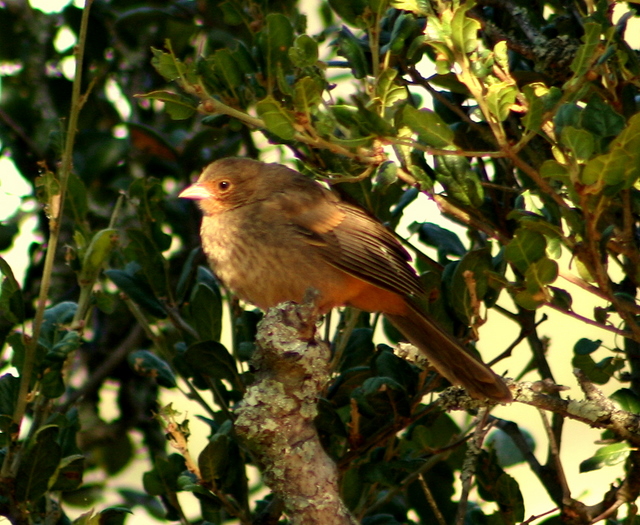
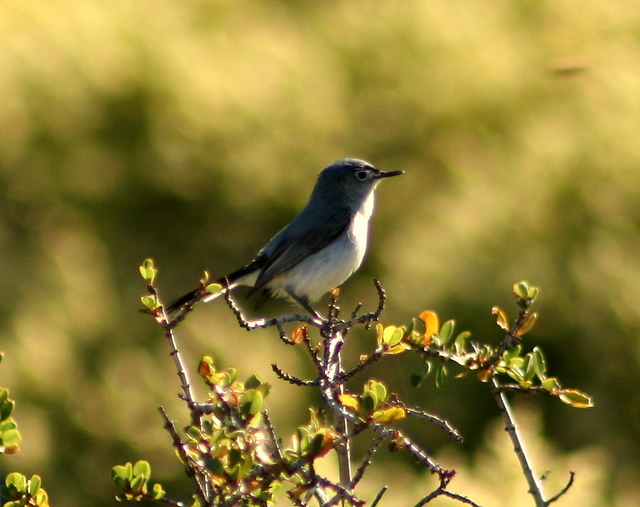
The road to Mount Diablo winds through many habitats, including chaparral, oak woodlands, grassland, and scattered pine forests which house many species of plants and animals. While traveling up the road to the summit, visitors will early on encounter the "soft chaparral" habitat, which contains plants such as the California Sagebrush and Black Sage. These chaparral plants host a number of bird species year round, including the Blue-grey Gnatcatcher and the California Towhee. As the road winds higher, the soft chaparral gives way to an array of different habitats mixed together, including Oak woodlands interspersed with grassy meadows, and even higher up, "hard chaparral," filled by Manzanita bushes, and rocky outcroppings. These habitats are home to many species of mammals as well as birds. Occasionally seen by park visitors are the Raccoon, the Coyote, and the Bobcat, however rarer species do reside in Mount Diablo State Park, including the elusive Mountain Lion. Driving up the road is one of the best ways to experience the wildlife of Mount Diablo, as much of the wildlife can be seen crossing the road or on the road itself. Desert Cottontail rabbits and California Ground Squirrels often fall prey to oncoming traffic, so one must always be careful. Similarly, snakes and lizards are in danger as well. Lizards such as the quite abundant Western Fence Lizard, and the less common California Whiptail can often be seen crossing the road. Mount Diablo State Park is home to many species of snakes, which take advantage of the multitude of different habitats, and thrive on the mountain. Snakes range from the more common Gopher Snake, to the venomous Western Rattlesnake (subspecies = Northern Pacific Rattlesnake), to the endangered Alameda Whipsnake, of which Mount Diablo is one of the last remaining safe habitats. Lizards include Western Fence Lizard, Western Skink, California Whiptail, Horned Lizard. During the months of September and October, Tarantula's are frequently seen seeking their mates. A wonderful variety of insectlife can be seen here. Butterflies include all four of our local Swallowtails - Western Tiger Swallowtail, Two-tailed Swallowtail, Pale Swallowtail, Pipevine Swallowtail - Monarch, Mylitta Crescent, Callippe Fritillary, Variable Checkerspot, Northern Checkerspot, Common Buckeye, California Sister, Lorquin's Admiral, Sara Orangetip, Echo Azure, Mournful Duskywing and uncommon ones like Margined White, Hedgerow Hairstreak, Golden Hairstreak, Propertius Duskywing, Mormon Metalmark, Edith's Checkerspot, Common Wood-Nymph. Dragonflies include Variegated Meadowhawk, Flame Skimmer, Blue-eyed Darner, Grappletail. Damselflies include Vivid Dancer. We have come across the Tarantula Hawk here. Taking the road all the way to the summit is well worth the drive, as the view from the summit is incredible. On a clear day, the Livermore and Diablo Valleys sprawl across the landscape, and Mount Diablo boasts one of the largest viewsheds in the western United States, from which one can spot the Sierra Nevada, and even Mount Lassen. Articles and LinksWildlife Links
Other Links
Photos
|